Ruger 10/22
The 10/22's receiver has stayed nearly unchanged since 1964, which is exactly why the aftermarket for it is so deep. None of that works until you've solved the one thing Ruger didn't build in: a proper way to mount an optic. Everything here starts from that and builds out to a takedown-ready stock for guns that actually get carried somewhere.
Start with these three
The rail that makes an optic possible, a genuinely good budget red dot, and a sling so the rifle doesn't live in your hands the whole trip.

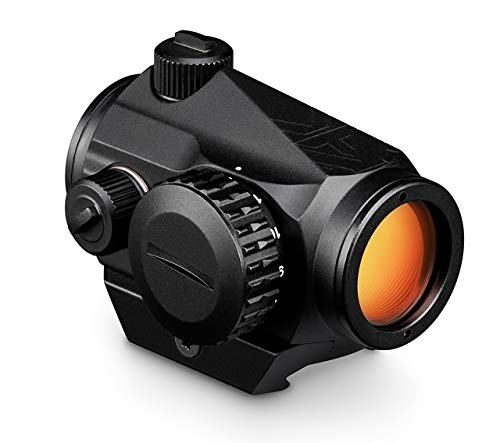

Everything for the Ruger 10/22
Slings & Mounts
2 items
Range Bags & Gear
5 items
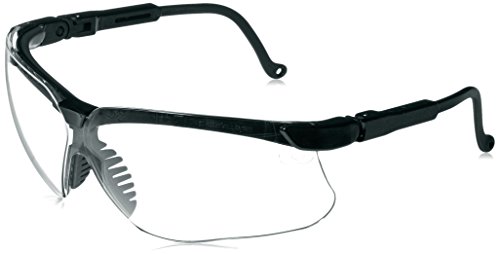


Cleaning & Maintenance
7 items


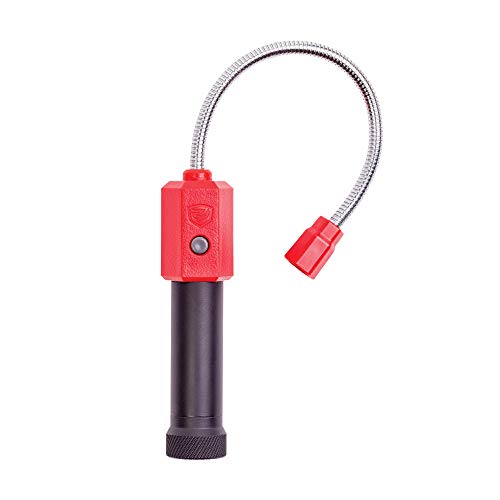
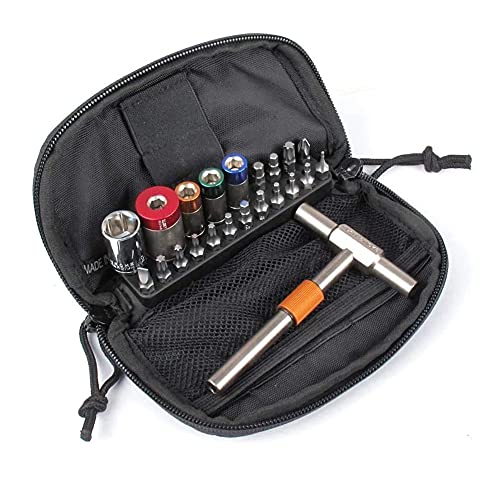
Tools & Bench Gear
5 items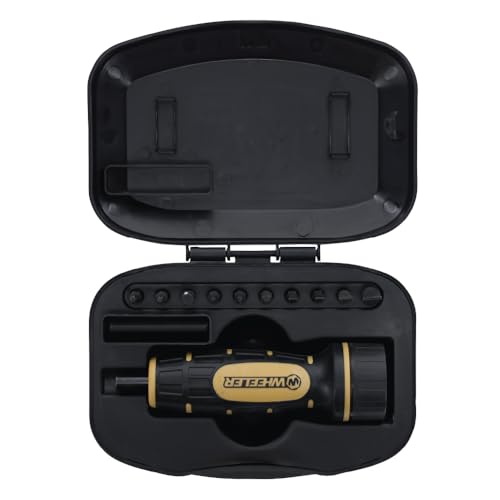


Ruger 10/22 questions
Why doesn't a scope just bolt onto a 10/22?
The factory receiver has grooves machined for a proprietary Ruger-pattern base, not a standard Picatinny or Weaver rail, so most optics can't mount without an adapter first. A dual-pattern base solves this in one step and gives you both rail standards to choose from afterward.
Does a 10/22 Takedown need a different stock than the standard rifle?
Yes, if you want the takedown feature to still work. Takedown-specific stocks like the Magpul X-22 Backpacker have a locking interface and internal storage built around the barrel separating from the receiver; a standard 10/22 stock won't accommodate that and isn't meant to.
What's the actual difference between a Picatinny and Weaver rail here?
For nearly all rimfire rings and mounts, none that matters; Weaver is the older, slightly less standardized spec and Picatinny added consistent slot spacing on top of it. A dual-pattern base accepts rings built for either, which is why it's worth buying over a single-standard rail.